
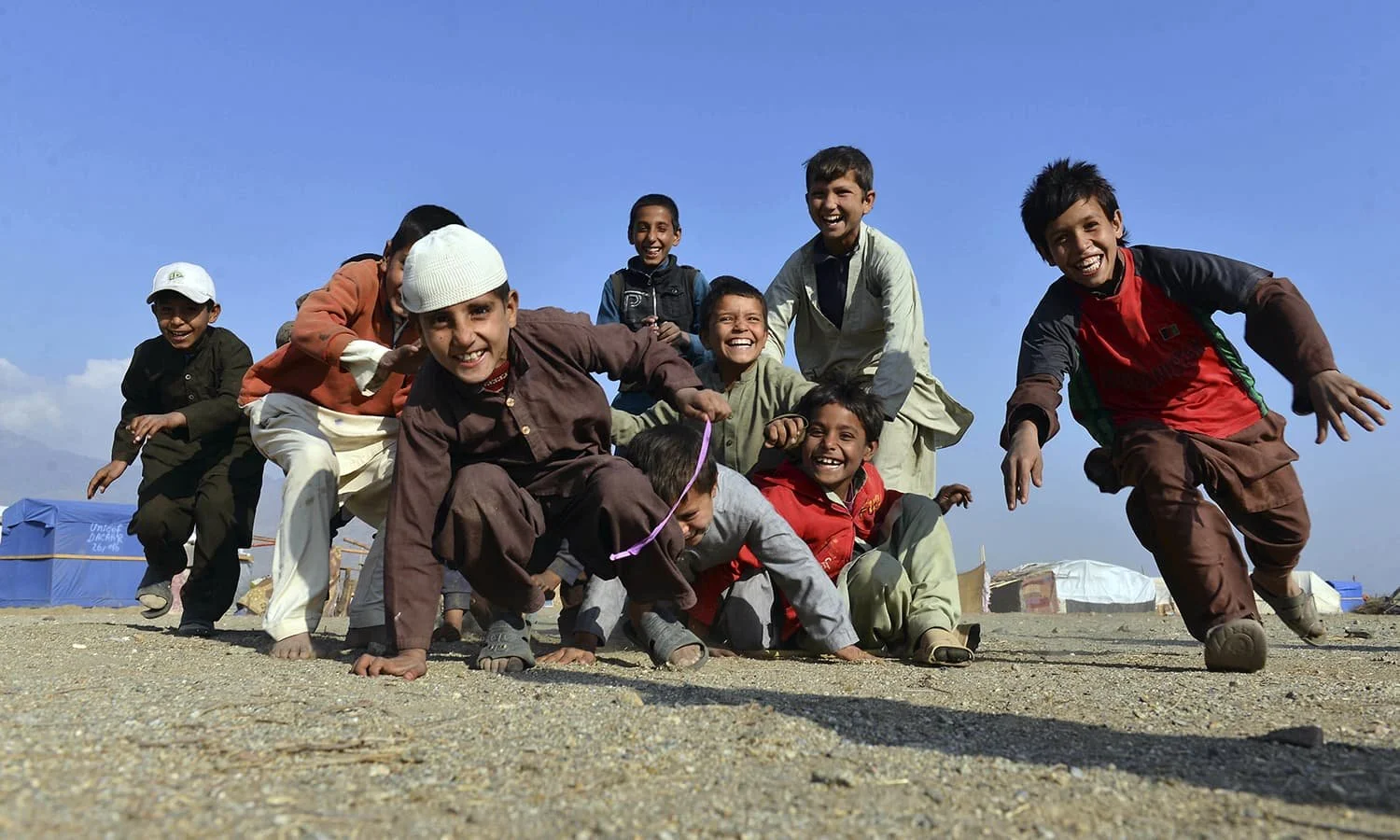
This body of work draws on two major evidence streams. The first analyzes Afghanistan’s Multiple Indicator Cluster Surveys to examine childhood immunization, maternal care, and trends over time. The second presents findings from a national facility assessment of Essential Package of Hospital Services and Basic Package of Health Services, evaluating whether facilities are equipped to deliver lifesaving maternal and child care. Together, these reports show that while staffing and some service areas remain strong, major gaps persist in routine service delivery, emergency preparedness, diagnostics, and equitable access.
Resources for Researchers
1. Childhood Immunization and Maternal Health in Afghanistan: A Data Report
Description: This data compares MICS 4 (2010–2011) and MICS 6 (2022–2023) to assess changes in vaccination coverage, maternal care, and postnatal service utilization across Afghanistan. It highlights the strongest predictors of child vaccination, including maternal education, household wealth, vaccine card ownership, and place of birth. It also shows that geographic disparities remain severe, especially in the Southern zone and selected provinces with persistently low uptake.
This research was conducted under the oversight and guidance of UNICEF Afghanistan and the Afghanistan Ministry of Health. Collaboration with national institutions helped us contribute to evidence-based strategies to improve maternal and child health outcomes in Afghanistan.

2. Maternal and Neonatal Health System: Strengthening Service in Afghanistan
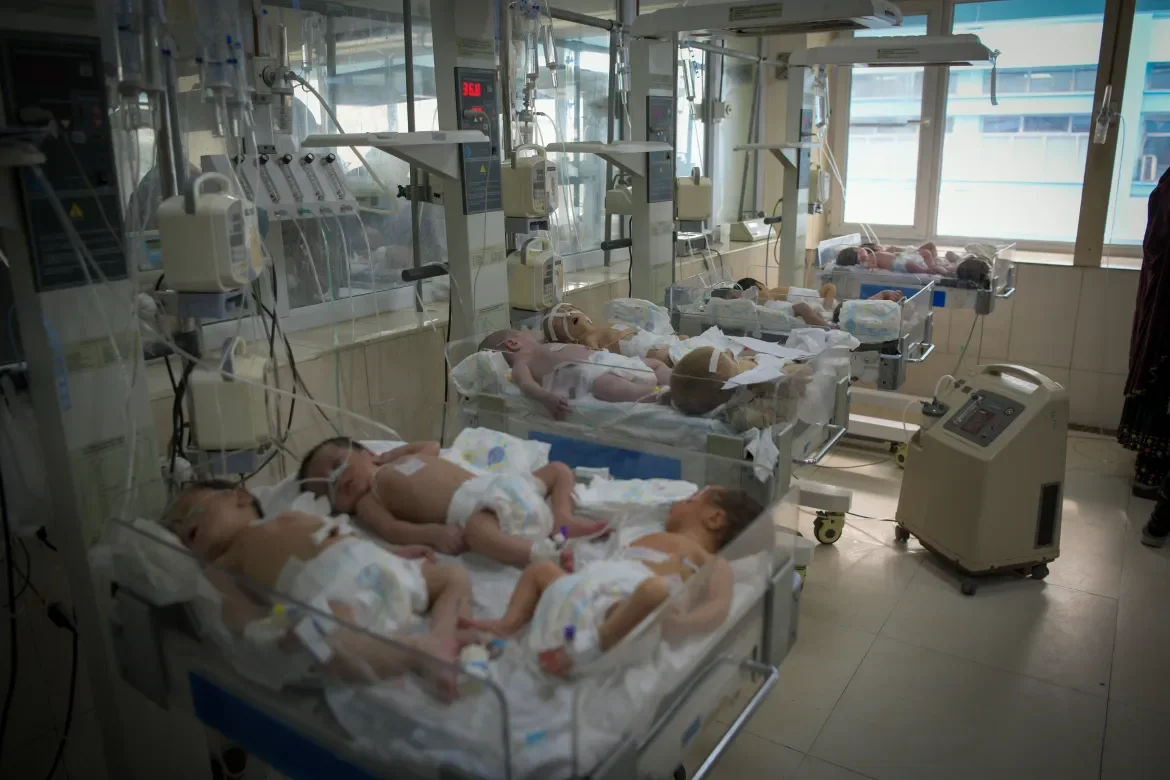
Description: This national facility assessment evaluated Reproductive, Maternal, Neonatal, Child and Adolescent Health services across hospitals and primary-level facilities in Afghanistan. The report assessed staffing, equipment, treatment bundles, diagnostics, referral readiness, and service delivery capacity across zones. It found that while many hospitals reported adequate staff, facilities frequently lacked the drugs, equipment, and systems needed to deliver safe and timely care.
The facility assessment shows that strengthening maternal and child health in Afghanistan will require more than maintaining service points. It will require ensuring that lifesaving drugs, diagnostics, newborn care tools, and emergency treatment bundles are reliably available where women and children seek care.
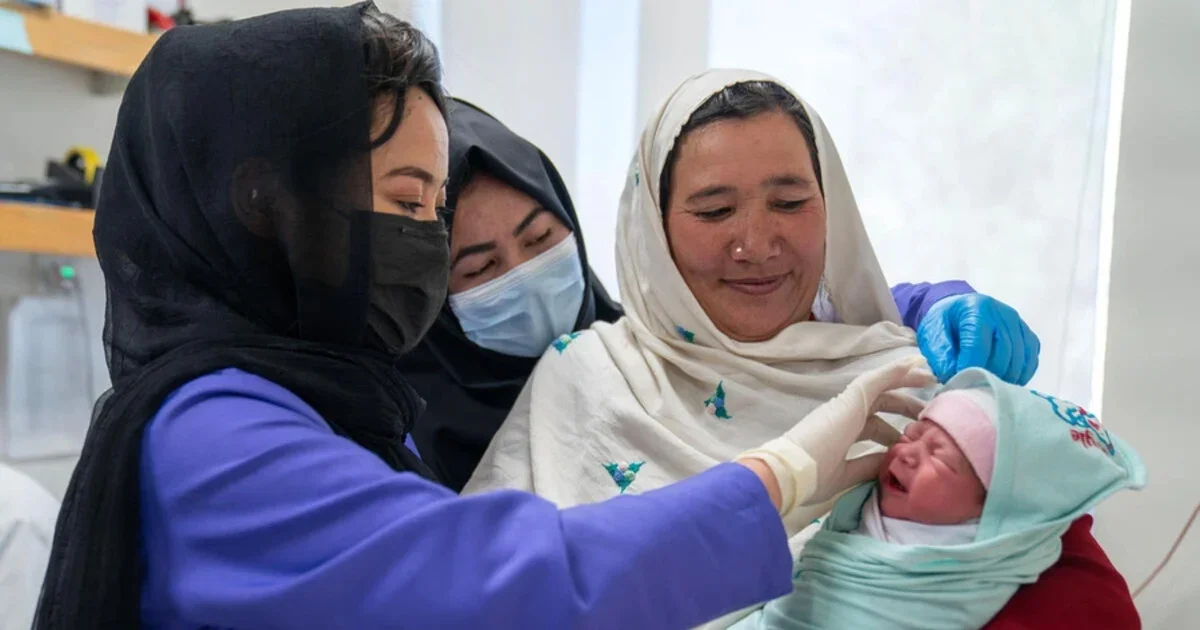
3. Service Delivery and Hospital Readiness: Why it Matters
Description: Place of birth and facility type strongly influenced whether mothers and children received appropriate follow-up care. Hospital births were more likely to result in skilled attendance and postnatal support, but hospitals themselves often lacked essential commodities or emergency systems. The reports point to immediate opportunities for action, including improving drug availability, scaling diagnostics, strengthening birth-dose vaccination systems, expanding maternity care and midwife support, and improving retention in care through documentation and follow-up.
Note: Please email Dr. Sara Al-Dahir for permission to use or modify the survey at saldahir@gulfmedicalrelief.com
Publications Pending
Evaluation of dedicated COVID-19 hospitals in the pandemic response in Iraq: pandemic preparation within a recovering healthcare infrastructure, British Medical Journal Global Health, June 2022
Costs of childhood vaccine delivery in Iraq: a cross-sectional study, British Medical Journal Open, September 2022
Resilience of health systems in conflict affected governorates of Iraq, 2014-2018, Conflict and Health, October 2021